Shows like Heartstopper and Sex Education could make us forget there was ever a time when LGBTQ+ people struggled to see themselves on screen. In a bygone era, baby gays would take to beta internet forums to discuss vague hints at homoeroticism. Now, even Velma from Scooby Doo has come out of the closet.
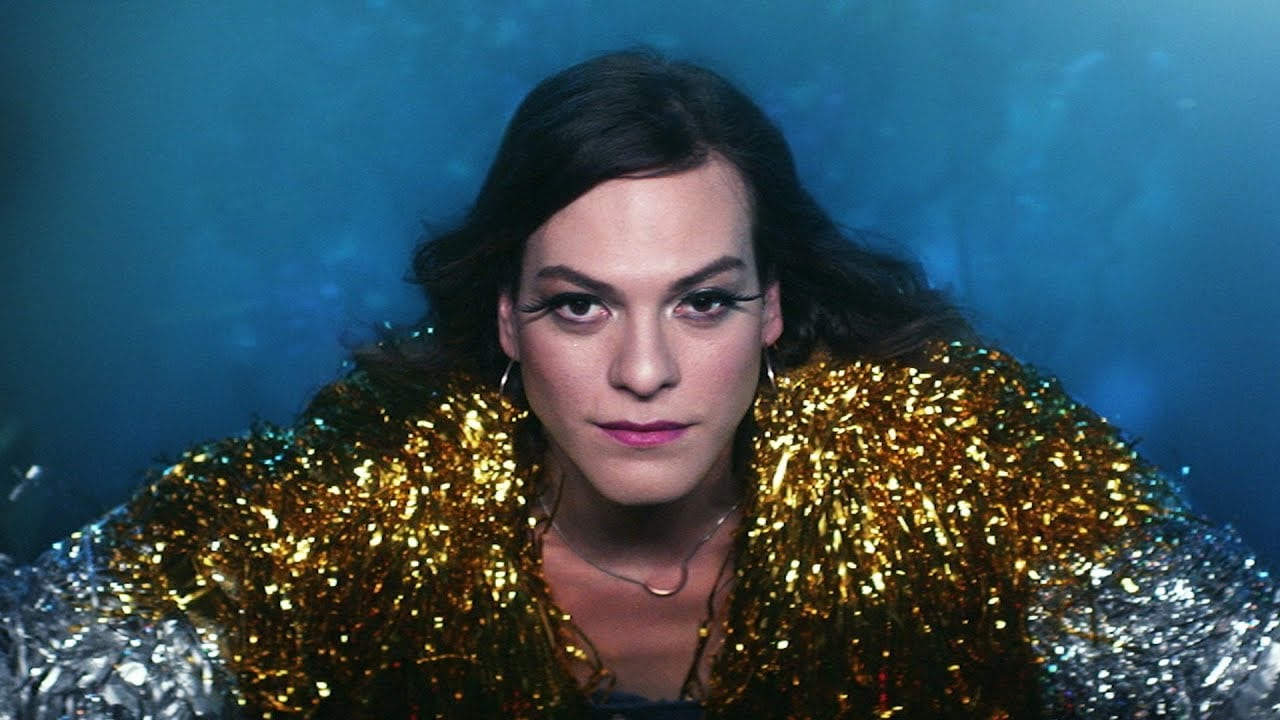
GLAAD's most recent study into LGBTQ+ representation found that 18.6% of films from major studios featured at least one LGBTQ+ identified character. However, it turns out NONE of the 118 films GLAAD surveyed included a trans-identified character. Rather, 68% of the examples featured gay men; 36% lesbian women; 14% bisexual people and 0% featured trans people.
And even in this rainbow age for film and TV, regressive tropes from bygone eras will occasionally rear their heads. Significant amongst these is the 'bury your gays' trope, aka 'dead lesbian syndrome,' aka screenwriters killing off, or disappearing, queer characters.
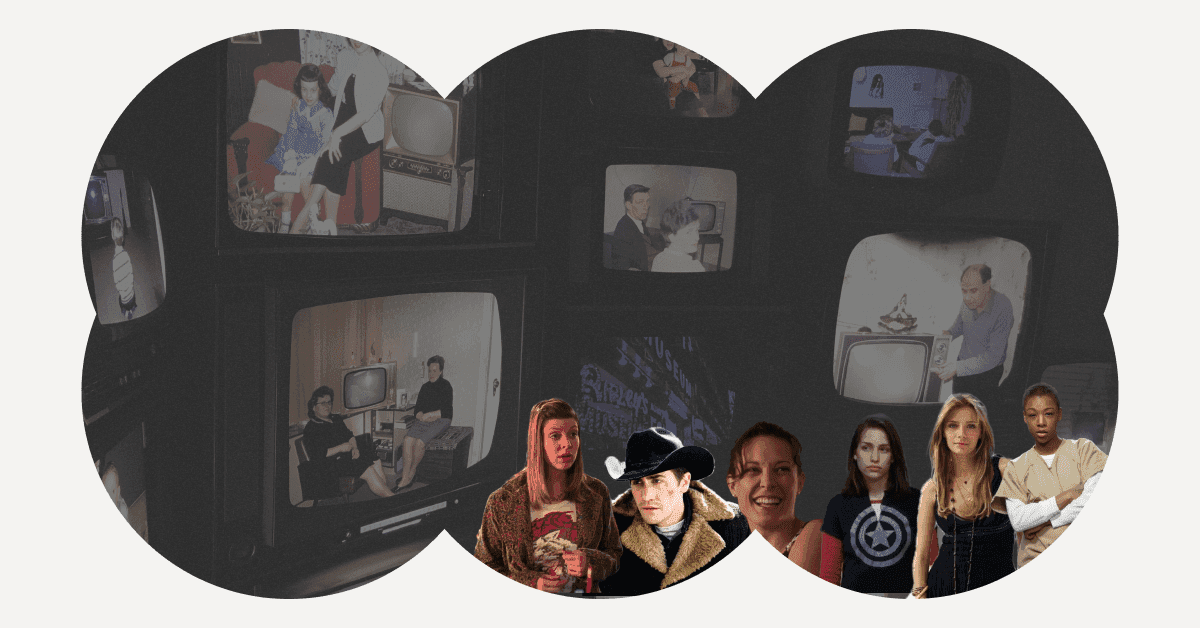
The 'Bury Your Gays' trope explained
The phrase 'bury your gays' has been used by literary and film critics, but it seems to be both more prevalent and more problematic on screen. It refers to the frequency with which gay and lesbian characters come to untimely deaths, generally after a brief, sensationalised or melodramatic storyline.
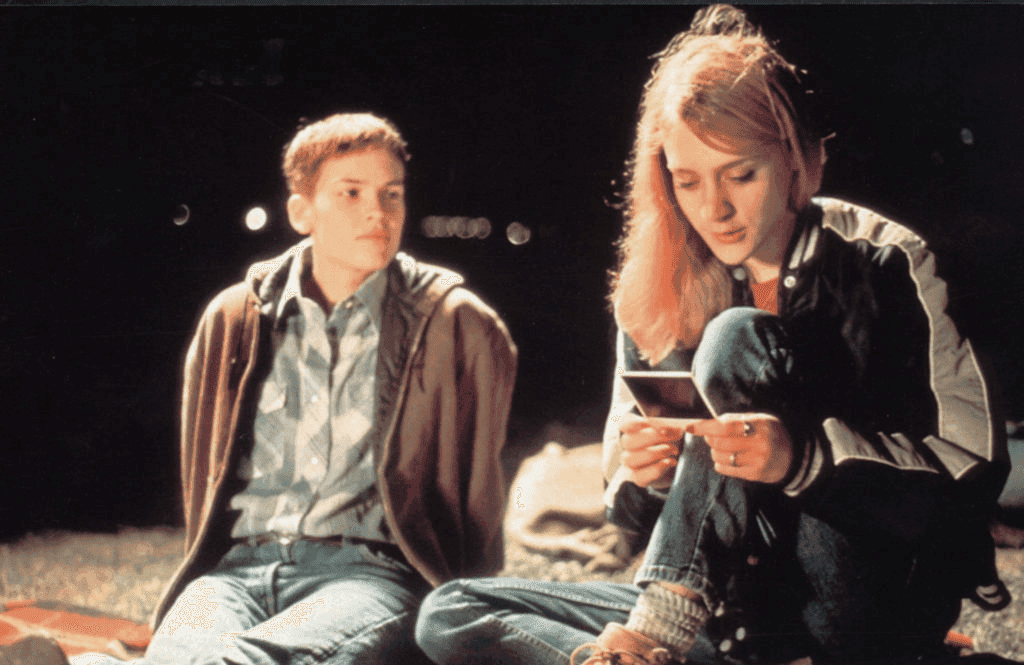
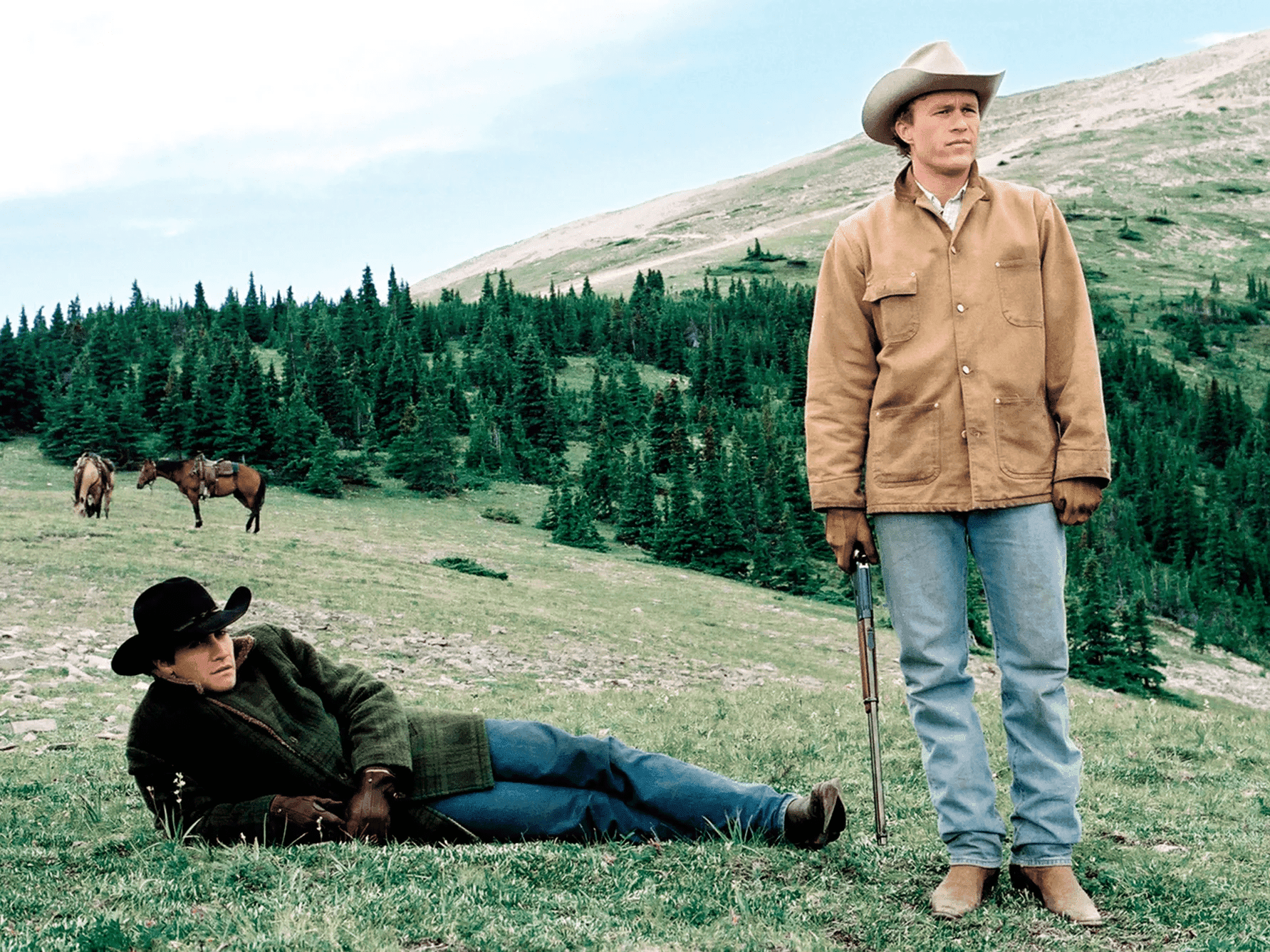
At least, that's true of Tara's death in Buffy. And Jack in Brokeback Mountain. And Marissa in The OC. And Pauli in Lost and Delirious. And Brandon in Boys Don't Cry. Other examples include Poussey's death in Orange is the New Black and Dana's early death from breast cancer in The L Word.
It's a trope that comes in multiple forms and has changed its shape over the last century of cinema, in-line with changes in censorship rules and society more broadly.
A (very) brief history of censorship in Hollywood
In the early days of cinema, there weren't any censorship laws specific to the medium. 1920s movies rarely featured queer characters, but sex, nudity and sensuality did proliferate - at least until moralists, puritans and the Catholic Church began to condemn Hollywood.
To make a show of clearing up their act, the Motion Picture Association devised the Hays code. Among the long list of restricted material are 'lustful kissing,' 'childbirth' and 'venereal diseases.' Crucially for what would become the bury your gays phenomenon, 'sexual perversion [read: GAY] or any inference to it is forbidden.'
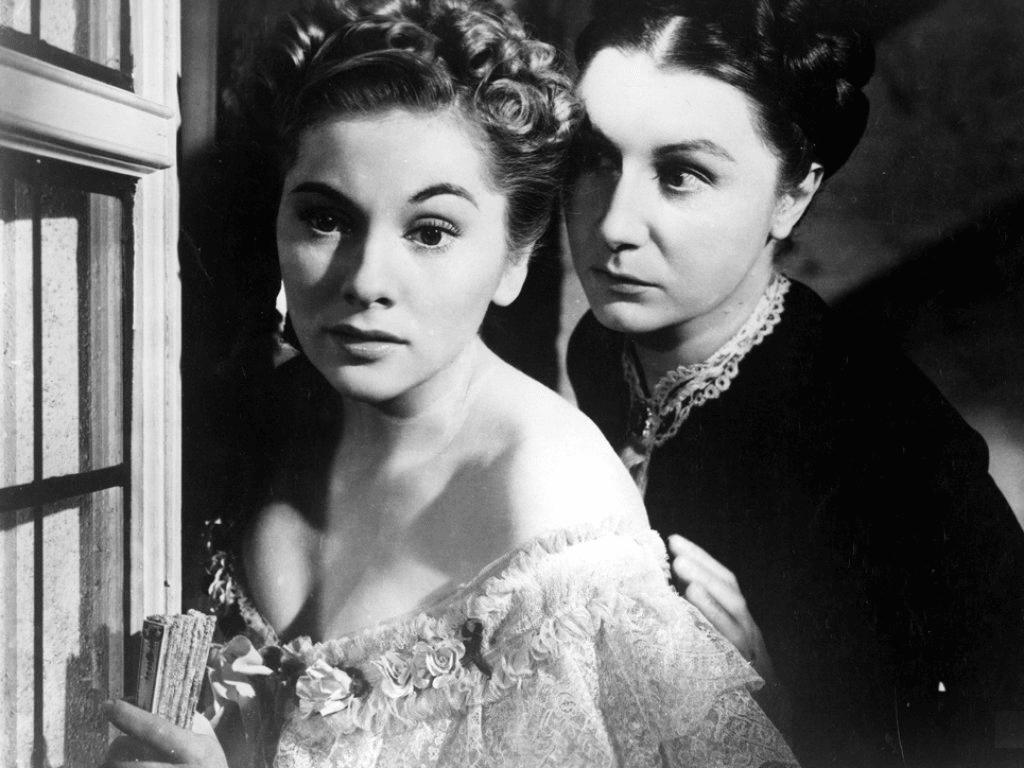
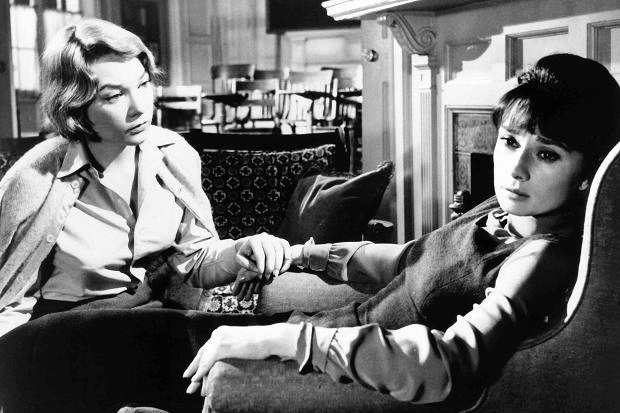
The implication of this was twofold. Telling stories about or including explicitly gay characters at all put filmmakers in danger of receiving sanctions. If films did feature queer, or possibly queer characters, they were forced to make significant concessions - creating unsympathetic 'queer coded' characters, like Mrs Danvers in Rebecca, or characters so repulsed by their sexuality that they are driven to self-destruction, like Martha in The Children's Hour who hangs herself.
Tragedy and queer characters on screen
The bury your gays trope is fundamentally tragic. Right at the point the lovers come together, they are doomed to fall apart. To have one or both lovers perish at the apex of their happiness allows the relationship to remain perfect in its cut-off potentiality.
It's possible that there's a part of queer culture that needs to see these tragic narratives writ large on screen. This version of the trope, typified by Brokeback Mountain, Lost and Delirious and The Children's Hour transmutes the pain of those very real, messy experiences into something beautiful, structured and potentially cathartic.
The reality of death in the LGBTQ+ community
From hate crimes to suicide rates to AIDS, sadly, there are reasons that stories about trans, gay and lesbian people throughout history have higher mortality rates.
Whether films about the AIDS crisis properly fit the bury your gays trope is debatable. In the 1980s LGBTQ+ people died in their thousands. Angels in America, It's a Sin, and How to Survive a Plague do not sensationalise queer trauma; they are only representing the brutal reality of the AIDS pandemic.
Brutality and homicide in queer cinema
The 1999 film Boys Don't Cry is less cut and dry in its portrayal of trans man Brandon Teena, who was raped and murdered in real life, six years before the movie was made. Reviewers at the time described Teena as a 'self-hating lesbian,' damaging rhetoric that gender-critical types are still spouting.
Similarly, Orange is The New Black includes a host of queer characters. But that didn't stop viewers from recoiling when much-loved black lesbian character Poussey was brutally murdered by a prison officer, in a scene that heavily referenced the murder of Eric Garner.
Is all representation good representation?
In decades gone by, some gay rights activists believed in the representation of LGBT people at any cost - whether that meant falling on reductive stereotypes or existing only to support straight heroines.
We hope our deep dive into death in queer films and TV hasn't left you feeling depressed! If you're interested in musings like this on queer and feminist history, we urge you to follow us on Instagram and sign-up to our mailing list.