The theme for this year's LGBTQ+ History Month is Medicine. So we thought it would be the perfect opportunity to talk about James Barry, a 19th-century physician who was assigned female at birth but lived and worked as a man for the great majority of his life. It wasn't until Barry's death, when his body was examined against his wishes, that Barry's gender was called into question.
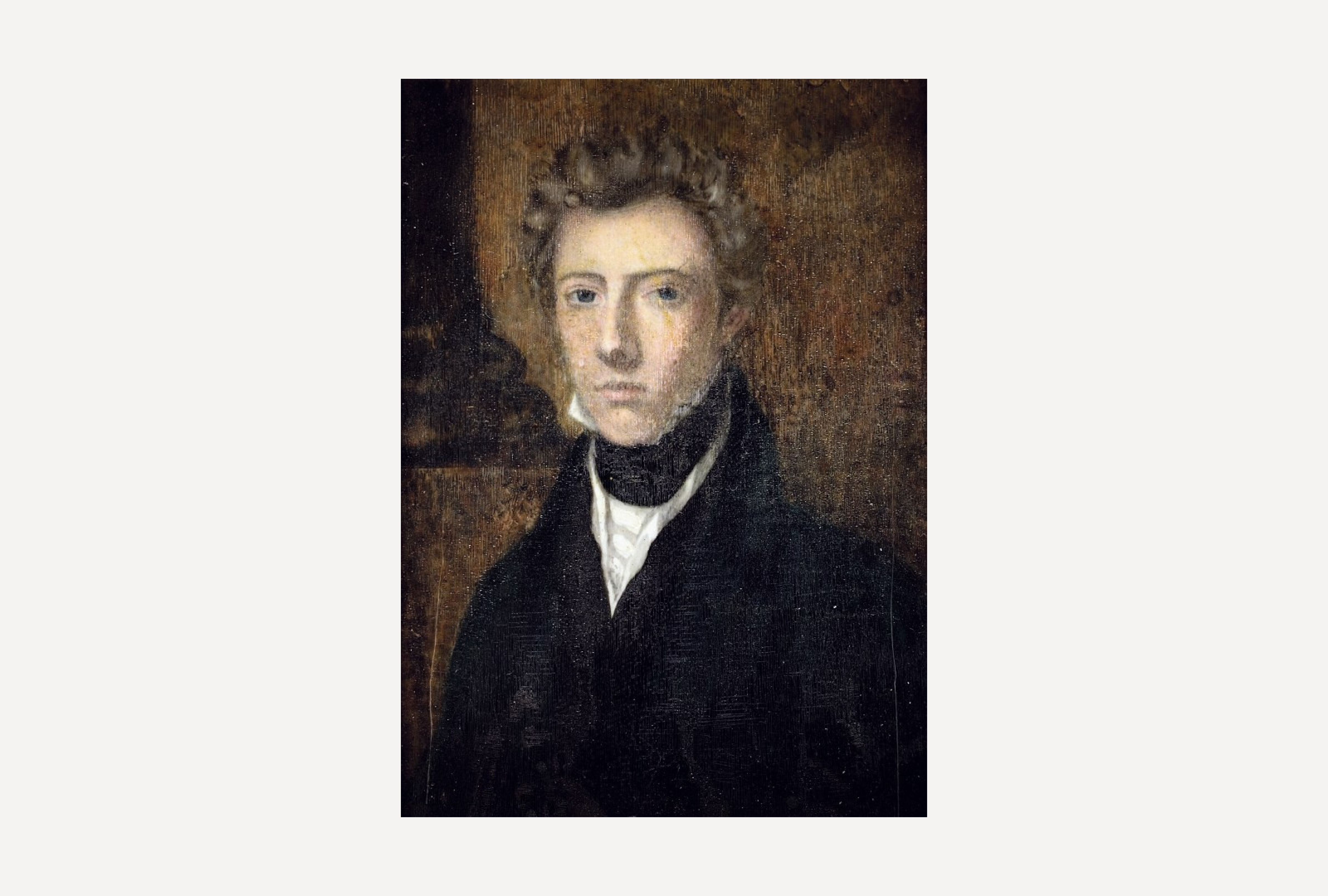
James Barry's Life and Legacy
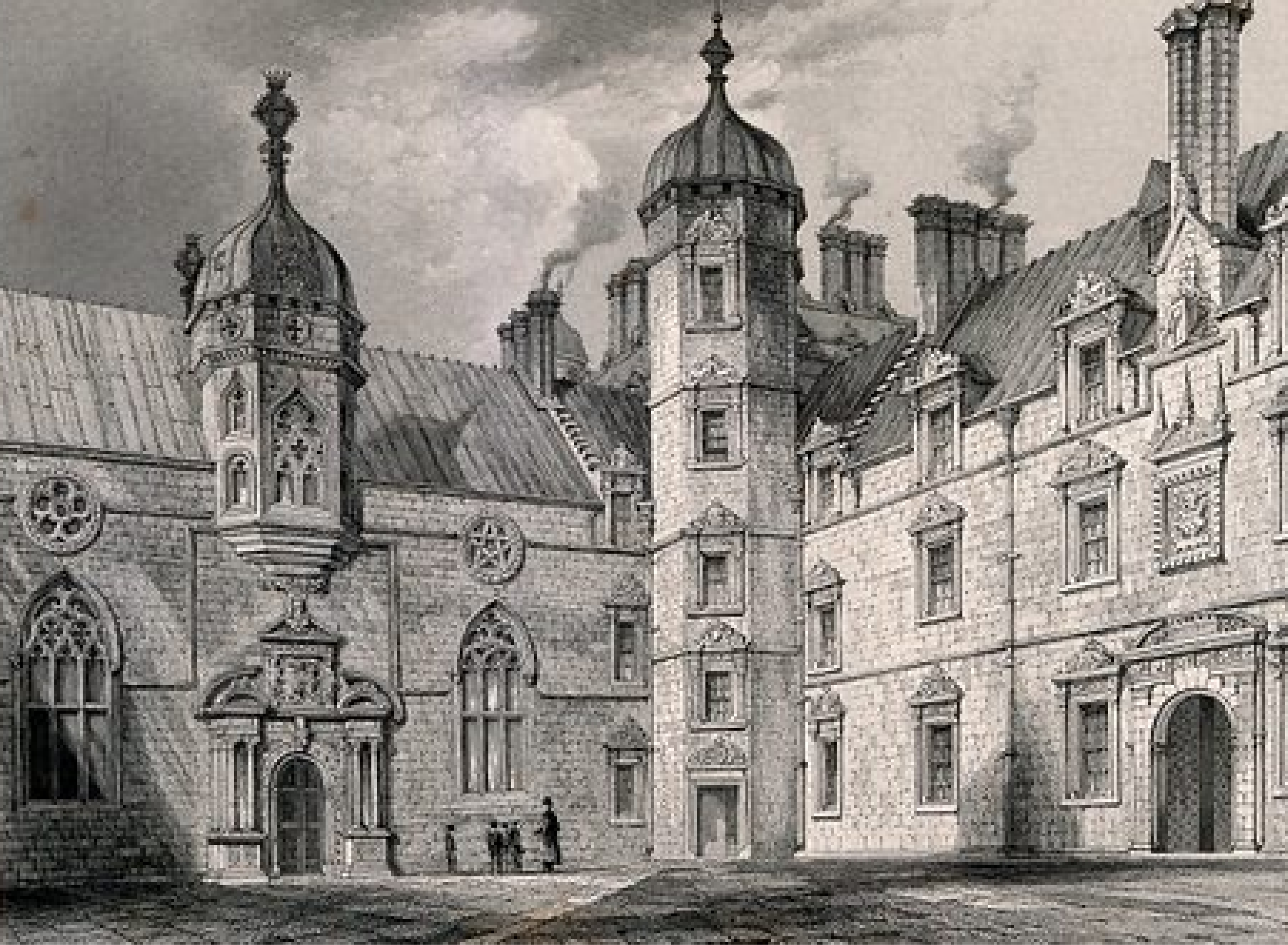
Born in Cork, Ireland, and later moving to Edinburgh to pursue medical training, Barry advanced in the British Army and made a noteworthy career as a surgeon. Rising to the rank of Inspector General, Barry significantly improved conditions for wounded soldiers and the local populations in the regions he served, including South Africa, where he performed the first recorded caesarean section by a European, in which both mother and child survived.
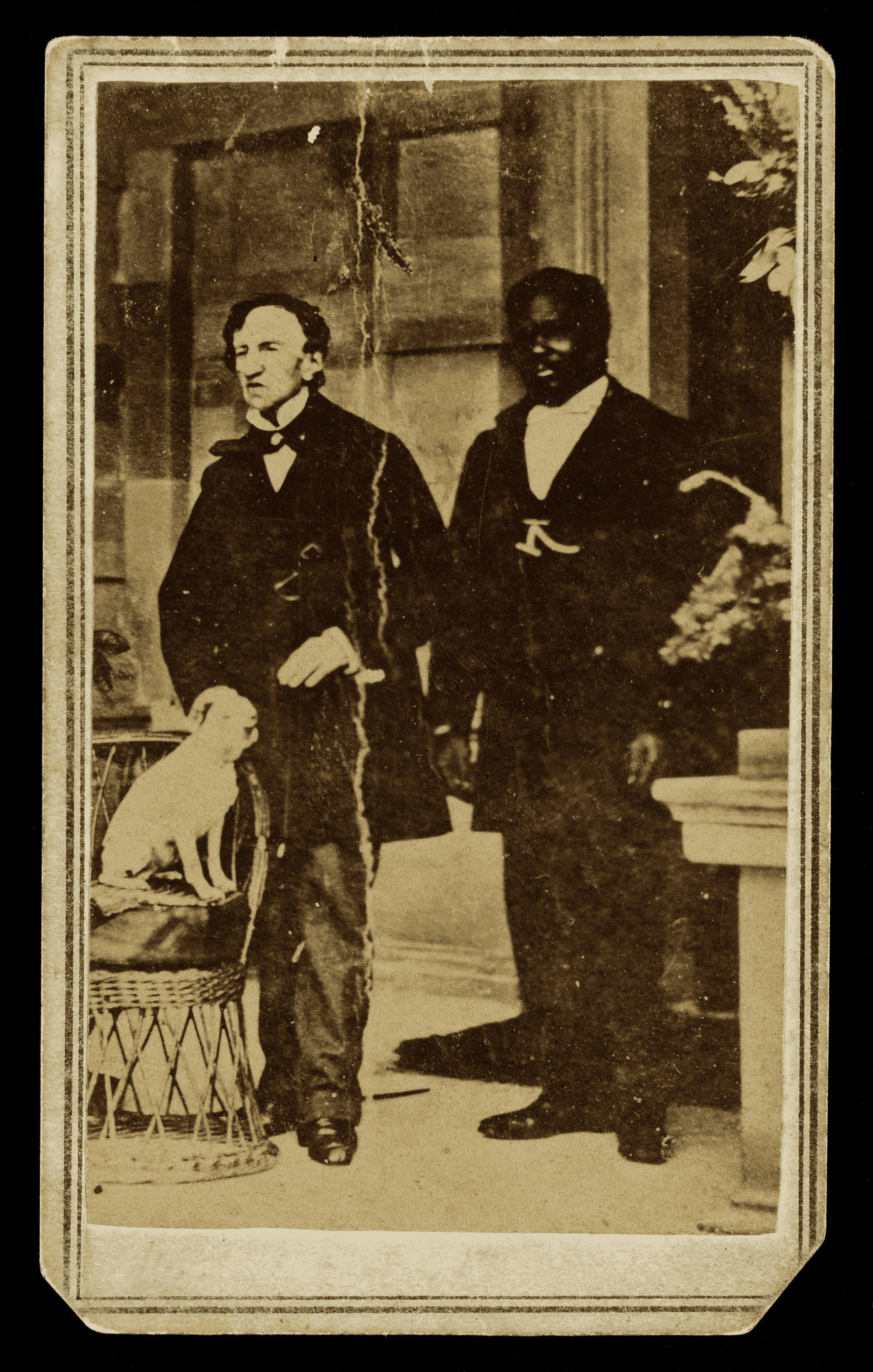
James Barry was also a vegetarian; he didn't drink, and he never married, but had a series of dogs called Psyche.
For years, however, feminist historians have framed Barry's story as one of a determined woman who assumed a male identity to circumvent the gender restrictions of the time. The history of cis women assuming a male identity to avoid the trappings of patriarchy is a fascinating and important part of both queer history and women's history, but it might not be the right frame in this instance.
Why James Barry is Being Claimed as a Trans & Intersex Pioneer
For a number of reasons, later commentators have challenged the idea that Barry assumed a male identity for career advancement alone.
Barry lived his entire adult life as a man, in both public and private spheres. When Barry was first stationed in Cape Town, he was accused of being in a homosexual relationship with Governor Lord Charles Somerset, at a time when homosexuality was heavily criminalised. Despite the scandal, there were no questions raised about Barry's gender.
Barry was also meticulous about privacy, and no more so than where his body was concerned. Barry's final wish was to be buried in the clothes he died in, with no post-mortem examination conducted.
When the official death registrar approached Barry's personal doctor to verify Barry's sexual identity, his reply is unusual, lengthy and ambiguous:
"Whether Dr Barry was male, female, or hermaphrodite I do not know, nor had I any purpose in making the discovery as I could positively swear to the identity of the body as being that of a person whom I had been acquainted with as Inspector General of Hospitals for a period of eight or nine years."
Given the three references to hermaphroditism in the letter, it is also possible that James Barry may have been intersex, and had sexual characteristics that could not neatly be situated as either male or female.
Disagreement Among Biographers and Historians
As historian Ann Heilmann told The Guardian, "Much of what we 'know' about him is really the Barry myth", reflecting the fact that even the coroner had to rely on rumours and conflicting accounts to draw up the doctor's death certificate.
In her book Scanty Particulars, Rachel Holmes is far less ambiguous: "It is perfectly clear that Barry had AIS [androgyn insensitivity syndrome] and effectively would now be a trans person. He didn't have the language or the science, but he was looking for it."
The Importance of Queer Perspectives in History
While we'll likely never know how Barry felt about their gender identity, Holmes' perspective invites us to reconsider Barry as a historical trans and/or intersex person of note. In sharing some of Barry's legacy, we want to note that we continue to live in a time where people have to fight to be recognised according to the gender they live in. That's why it couldn't be more important to share these nuanced perspectives on historical figures and show people that queers have always been here, and always will be.
